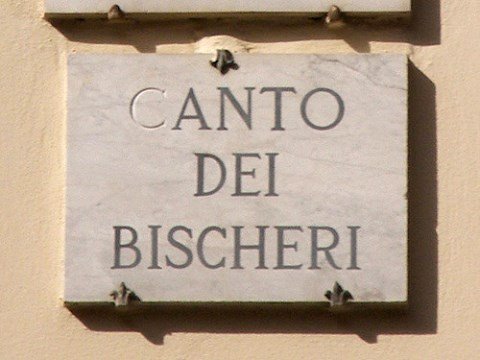
In Florence, being called a bischero is not really an insult. It is practically a badge of belonging — and the story of how the word was born is one of the best lessons this city has ever taught me.
The family who lost the best deal in Florence
Walk two minutes east of the Duomo and you will cross a narrow street called Via de' Bischeri. Almost nobody stops to ask why it is named that. The answer is a story every Florentine grows up hearing.
Centuries ago, a wealthy family named Bischeri owned the land right where the cathedral's apse needed to expand. The Opera del Duomo — the body overseeing construction — came to them with an offer to buy it. A generous one, by most accounts.
The Bischeri, sensing they held all the leverage, said no. They wanted more. So they waited. And negotiated. And waited some more, certain that the city could not finish its cathedral without their little patch of ground.
They were right that the city needed the land. They were wrong about everything else. Public patience ran out before the family's greed did, and the deal that finally went through left them with far less than the original offer — some accounts say they lost the land outright. Florence remembered. It named the street after them, and it never let the story go.
From a family's name to everyone's word
Over the following centuries, "bischero" stopped being a surname and became a verdict. To Florentines, it described anyone clever enough to talk themselves out of a good thing — someone so busy outsmarting the situation that they outsmarted themselves instead.
The word softened as it spread. It stopped being reserved for spectacular historical failures and started being used for the ordinary ones: the friend who missed the train arguing about which platform, the uncle who is certain he doesn't need directions. Today you will hear it in kitchens, in bars, on football terraces, usually followed by a laugh rather than a scowl.
What "bischero" means on the street today
Ask ten Florentines what bischero means and you will get ten answers, and all ten will be roughly right: fool, scatterbrain, someone who means well but trips over his own cleverness. It is rarely said with real anger. Usually it is said with affection — the way you would only tease someone you actually like.
It also happens to be the Tuscan word for the little wooden peg you turn to tune a violin or a lute — small, stubborn, and always slightly imprecise no matter how carefully you adjust it. Linguists still argue about whether that is where the insult came from, or whether the instrument borrowed the joke from the family. Florence enjoys not settling the question.
Why we are proud to be a little bischero
We named this story, not a monument or a masterpiece, as the thing we most wanted to tell you, because it says more about this city than most of its marble does. Florence built the Renaissance and still keeps a street named after a family that lost an argument with itself.
We think that is worth being proud of. Perfection is boring — a city, or a person, who never overreaches, never misjudges, never has a story that starts with "so this was a mistake," is a city with nothing to tell you over dinner. Every guide on our team has a Bischeri moment somewhere in their past: a tour that went sideways, a shortcut that wasn't, an opinion held a little too stubbornly. We are not hiding those. We are the ones who will actually tell you about them, because without the mistake, there is no wisdom on the other side of it — only the theory of it.
So yes, we are a little bischero, and we like it that way. Come find us, and we will show you the Florence that taught us so.

Want more stories like this, told on the street where they happened?
Eris speaks Italian, English and Spanish, and never runs out of local stories the guidebooks leave out.
Book a Tour with Eris